

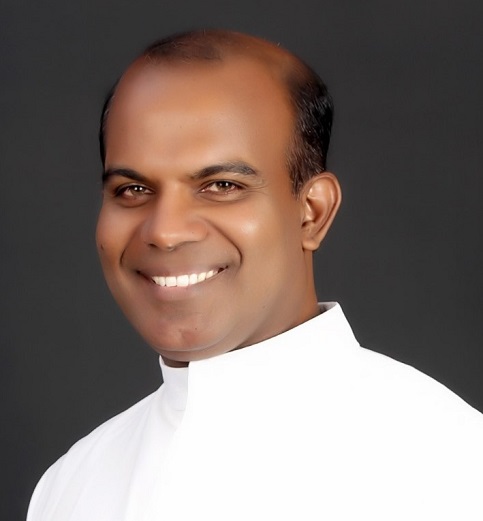
 Rev. Dr. Merlin Rengith Ambrose –
In society’s tapestry, the impoverished and marginalised are not merely passive recipients of Christian charity; rather, they are profound evangelists, illuminating the broader community with the essence of the Gospel. Encounters with Christ in the faces of the poor foster deeper spiritual understanding and ignite a fervent commitment to justice and solidarity. Thus, the marginalised emerge not only as beneficiaries of goodwill but as vital evangelists, guiding us toward a more authentic expression of faith.
My Personal Experience – The Poor as the Evangeliser
During my time at seminary, I took a leap of faith and immersed myself in a slum on the city’s outskirts for two transformative months. It was a daring adventure into a world starkly different from my own, where comfort zones dissolved, and real growth began. While I thought I understood poverty from a distance, through donations and charity, I quickly discovered that living among those who faced daily struggles opened my heart in ways I never expected. The experience was like a wake-up call, shaking me out of complacency and igniting a passion to make a real difference in the lives of the poor. I returned not just with stories and naïve experiences, but also transformed by their resilience and spirit, determined to be a catalyst for change in the ways I could. Anyone who spends time with the poor discovers virtues in them that can evangelise us and judge our own choices. The poor are our masters as they reflect the suffering of Jesus, though they can also be demanding. The poor are teachers who show God’s will through their needs and suffering, challenging us and inviting a more radical poverty. By serving the poor with care and listening to them, we are reminded that Jesus sent us to evangelise. The poor evangelise us and send us back to our own poverty, with less focus on our selfish needs
The Apostolic Exhortation Dilexi Te
On November 16, 2025, as the Mother Church celebrated the 9th World Day of the Poor, Pope Leo issued a powerful call to action. Launched in 2017 through the Apostolic Letter Misericordia et Misera by Pope Francis, this special day aims to shed light on the many faces of poverty. Observed on the 33rd Sunday of Ordinary Time by the Catholic Church, it urges Christian communities to embody Christ’s charity. In a powerful message given through the recent Apostolic Exhortation Dilexi te “I have loved you” (Rev 3: 9), Pope Leo XIV invites us to reconsider our perspective on poverty. He challenges us to move beyond viewing the poor as mere beneficiaries of our sporadic acts of kindness. Instead, Pope Leo XIV issues a clarion call for us to be evangelised by the poor. Embracing the wisdom of the poor: In a world often consumed by wealth, the spiritual narrative of those experiencing poverty shines brightly. Their insight and unwavering faith teach us valuable lessons in humility, gratitude, and the essence of true spiritual richness. Instead of merely viewing their circumstances as a deficit, we can see their struggles as compelling reflections of God’s grace and a poignant reminder of the emptiness of material pursuits. This transformative exchange invites us to shift our perspective from solely giving to also receiving profound spiritual truths from those we might overlook, the “poor in spirit”, who challenge us to contemplate what it truly means to be rich.
The Paradox of the Poor in Spirit
Dependence is Divine Strength: The concept of the “Poor in Spirit,” taken from the Beatitudes (Mt 5:3), is fundamental to Christian spirituality and serves as the theological bedrock for the Church’s message. This spiritual state transcends material deprivation; it is the radical recognition that one is spiritually needy for God, understanding that everything good is a gift. Humility and Reliance – The Lesson of Dependence: The poor, by necessity, often live lives of dependence and reliance on providence, a lesson frequently lost on those who possess worldly security. This life of dependence reveals that true strength is not self-sufficiency, but total reliance on God. As the Psalmist cries, “In you, Lord, I take refuge; I shall never be put to shame” (Ps 71:1). The poor become living testimonies to this reality, passing from “fleeting hopes to a lasting hope” by acknowledging God as the first and only source of security. Spiritual Wealth – The Real Treasure: The poor, therefore, often possess a profound spiritual wealth. They teach the global community that faith, community, and God’s unconditional love are the true treasures, providing a stark and necessary contrast to the empty pursuit of worldly riches. As the papal message cautions, material wealth often disappoints, leading to a profound poverty “born of the failure to recognise our need for God.” They embody the instruction of Christ to “store up for yourselves treasures in heaven” (Mt 6:19-20). Action and Witness – Shining God’s Light: The perseverance and unshakeable faith of the poor in the midst of hardship become a powerful, non-verbal “good work” that shines God’s light, echoing the mandate in Matthew 5:16. Their very existence and resilience in the face of uncertainty and marginalisation are a witness to a strong and steadfast hope. They are not merely passive recipients of charity; they are “creative subjects” whose lives and wisdom actively challenge the complacency of the Church and redirect its mission back to the core values of justice and love.
How the Poor Evangelise?
Through Their Very Existence
The Trust Test: The lives of those who truly rely on God showcase a profound and radical dependence that starkly contrasts with the comforting illusion of materialistic self-sufficiency. These individuals often face trials and uncertainties that test their faith, yet rather than turning to worldly possessions or conventional security, they lean into their spiritual beliefs. This reliance unveils the essence of real strength, not in the accumulation of wealth or resources, but in the ability to surrender control and trust in a higher power. Their experiences serve as powerful testimonies, illustrating that true resilience arises not from what we can hold onto, but from our willingness to let go and trust in God’s plan, even amidst adversity. In doing so, they invite others to reconsider the definitions of strength and security, challenging us to examine the depths of our own faith and reliance on the divine.
Through Their Generosity
Honouring God with Little: Even when facing scarcity, they often share what little they have. This profound act of kindness is a powerful, non-verbal “good work” that shines God’s light. When a person, despite struggling to meet their own basic needs, chooses to offer food to a neighbour or lend a helping hand to a friend, they embody the essence of selflessness. Such gestures, no matter how small, serve as a testament to their faith and trust in God’s provision.
These acts highlight a deep understanding of community and interconnectedness, where one person’s little offering can become a source of hope for another. Each shared meal or kind word not only uplifts those around them but also strengthens their own faith and reliance on divine grace. This cycle of giving and receiving fosters a sense of unity and love among all, reminding us that true generosity often flourishes in the most unexpected circumstances. In this way, honouring God through acts of sharing serves as a beacon of light, illuminating the path of compassion and reminding us of the blessings that arise from kindness.
Through Their Perspective
The Kingdom’s Clarity: Within the rich tapestry of spiritual understanding, there emerges a profound truth that underscores the essence of faith, community, and the boundless nature of God’s love. This clarity illuminates the idea that a humble spirit, particularly when aligned with the needs and struggles of the impoverished, is far more valuable than the fleeting, hollow achievements often associated with worldly pride. In an age where status and material possessions are frequently prized above all else, this perspective serves as a stark reminder of the deeper, more fulfilling treasures found in genuine connections, compassion, and shared devotion. By embracing the simplicity and richness that come from a lowly spirit intertwined with the lives of the less fortunate, individuals can cultivate a true sense of purpose and belonging, reflecting the heart of a community grounded in love and faith. Ultimately, this profound shift from worldly ambitions to a focus on what truly matters fosters a more meaningful existence, one that resonates with the eternal values of kindness and grace.
When we finally engage with the poor on this level, a beautiful exchange unfolds: we become bearers of good news, and in turn, the poor enlighten us with their resilience and strength. In this sacred interplay, genuine evangelisation ignites an enriching relationship in which both the giver and the receiver grow. It is through this immersive experience that we discover true transformation, united in our joy as we lift our praises to God.
The Mandate for the Evangelizer (The “Rich”)
Listen & Learn
Their Stories Are Sacred: Engage in open dialogue with the understanding that every shared experience holds value. Approach their narratives with a heart free of judgment, allowing their thoughts and emotions to be fully expressed. Each testimony of perseverance is a manifestation of resilience and strength, spiritual gold that enriches our collective wisdom. By listening to their journeys, we not only honour their struggles and triumphs but also gain insight into the diverse human experience. These stories are not just personal accounts; they are sacred lessons that can illuminate paths through darkness and inspire hope in others. Embrace the opportunity to learn from their wisdom, as it can transform perspectives and foster deeper connections among us all.
Receive Grace
The Dependence Lesson: It is essential to recognise that when you offer aid to others, you are not merely assisting; you are engaging in a profound exchange that teaches you invaluable lessons about faith and reliance. By helping those in need, you are reminded of the true essence of dependence on God’s providence. This experience can deepen your understanding of vulnerability and trust. As you give, you may find yourself reflecting on your own needs and on the ways you seek support from the divine. It highlights the interconnectedness of humanity, emphasising that we are all reliant on something greater than ourselves. In providing care and compassion, you also receive a spiritual awakening, an opportunity to grow in humility and gratitude for the blessings in your own life.
This dual aspect of giving and receiving can transform your perspective, helping you to cultivate a sense of community and reinforcing the belief that we are all part of a larger tapestry woven together by grace. Ultimately, the Dependence Lesson serves as a reminder that while we may help others, we are also invited to trust in God’s plan and providence, recognising that our dependence on Him is a source of strength and assurance in our journey through life.
Act Justly
Dignity First: Honouring the poor is honouring Christ. Our commitment to service should foster a just society that recognises and upholds the God-given dignity and security of every individual. This means going beyond mere relief efforts, which often only address immediate needs, and striving for genuine reform that addresses the root causes of poverty and injustice. We must advocate for policies that empower marginalised communities, ensuring that they have access to education, healthcare, and economic opportunities. By engaging with those we serve, we can better understand their struggles and aspirations, allowing us to create programs that are not only effective but also transformative. Additionally, it is vital to cultivate a community atmosphere that values each person’s contributions and respects their inherent worth. This involves listening to their voices, incorporating their feedback into our initiatives, and providing platforms for them to advocate for themselves. In doing so, we create a society where every individual feels valued and secure, reflecting the love and dignity that Christ bestowed upon us all. Let us remember that our mission is not just to alleviate suffering but to work tirelessly towards a more equitable and just world for everyone.
Canon 600 of the Code of Canon Law prescribes that evangelical counsel of poverty in imitation of Christ, who for our sake was made poor when he was rich, entails a life which is poor in reality and in spirit. Let us never forget that, for Christ’s disciples, poverty is above all a call to follow Jesus in his own poverty. It means walking behind him and beside him, a journey that leads to the beatitude of the Kingdom of heaven (Mt 5:3; Lk 6:20). Poverty means having a humble heart that accepts our creaturely limitations and sinfulness and thus enables us to overcome the temptation to feel omnipotent and immortal. Poverty is an interior attitude that avoids looking upon money, career and luxury as our goal in life and the condition for our happiness. Poverty instead creates the conditions for freely shouldering our personal and social responsibilities, despite our limitations, with trust in God’s closeness and the support of his grace.
In his message, Pope Francis talks about St. Francis of Assisi, who not only helped the poor but was also transformed by them. St. Francis didn’t just give money or food to those in need; he truly cared for them and connected with their suffering. He realised that real kindness means standing close to others, understanding their pain, and sharing their struggles. He explains that when he first encountered lepers, he found it very hard to be near them. However, after the Lord guided him to show them compassion, he discovered that what once felt bitter was now sweet to him. Here we could mention other heroes and heroines of charity who not only evangelised the poor but who were evangelised by the poor: St. Teresa of Calcutta, St. Frances of Rome, St. Vincent de Paul, St. Katharine Drexel, St. Damien of Molokai, Servant of God Dorothy Day, Blessed Oscar Romero. When we read the lives of these saints and the blessed, we notice how they all heroically helped the poor but were also changed by the poor into the saints they are today.
—–
Rev. Dr. Merlin Rengith Ambrose, a priest from the diocese of Kottar, is currently a professor of Canon Law at St. Peter’s Pontifical Institute in Bangalore, the Executive Secretary of the Commission for Canon Law in the CCBI and the Asian Representative for the Pontifical Urban University, Rome for its journal, Ius Missionale.